
The Best Hotels in Taormina: From Historic Monasteries to Beachfront Retreats
A curated guide to the best hotels in Taormina, from historic hilltop icons and converted monasteries to elegant beachfront retreats, with insight into when to …
We are a Virtuoso Member travel agency. If you book through us, we may earn compensation from the hotel or travel supplier (typically at no additional cost to you). All of our recommendations are made wholeheartedly with the intent of helping travelers discover the world authentically and responsibly. All images are courtesy of the hotels and used for reference only.
Taormina Sicily: Luxury Hotels & Coastal Gems

“The greatest masterpiece of art and nature” ~ Goethe
Picture this: you are standing on a medieval stone terrace, espresso in hand, watching the sunrise paint Mount Etna in shades of rose and gold while the Ionian Sea glitters 700 feet below. This is Taormina, Sicily’s impossibly beautiful hill town that has been stopping travelers in their tracks for 2,300 years. Goethe stood here in 1787 and called it “the greatest masterpiece of art and nature.” D.H. Lawrence wrote novels here. Truman Capote summered here. They came for the same reason you will: the improbable combination of Greek ruins, Baroque churches, and coastline views that make you understand why the ancients believed gods walked among mortals.
The town’s appeal lies not in any single monument but in the accumulated experience of place. You walk narrow streets where stone buildings lean into each other, emerge onto sun-flooded piazzas, then find yourself looking down at coastline coves hundreds of feet below. The Ancient Theatre, built by Greeks in the 3rd century BC and expanded by Romans, frames Mount Etna through its columned stage.
Taormina’s hotels reflect this layered history. Some occupy converted monasteries and noble palaces within the medieval center. Others claim beachfront positions in Mazzarò, the bay settlement connected to the hilltop by cable car. The best hotels in Taormina recognize that luxury here means access to both the town’s cultural sights and the Mediterranean coastline, often within the same day.
BTA Luxury Travel Club
Book your next stay through our club to unlock special complimentary perks at no additional cost, while a portion of every stay supports philanthropic causes.
EXCLUSIVE AMENITIES WORTH $550+/STAY*
VIP recognition at check-in and exclusive experiences
Preferred rates and availability
Breakfast credit or daily breakfast for two
Hotel, spa, or dining credits
Priority for upgrades, early check-in and late check-out
Thoughtful pre-arrival planning
*Benefits apply to eligible bookings, average value based on a typical two-night stay. Varies by property and dates.
What Makes Taormina Different
Unlike Sicily’s larger cities, Taormina functions as a resort destination, albeit with incredible cultural attractions. You can spend mornings exploring Greek theaters and medieval churches, then descend to beach clubs for afternoon swimming. The town’s compact size (roughly half a mile of pedestrian streets) makes exploration intuitive, while its position above the coast provides natural cooling even in summer heat.
The food culture here balances Sicilian tradition with the reality of tourism. Corso Umberto, the main thoroughfare, holds tourist traps alongside restaurants serving serious interpretations of Sicilian classics: pasta alla Norma, caponata, swordfish involtini. Side streets reveal family-run trattorias where the menu depends on what arrived at market that morning.
Mount Etna’s presence defines the regional character. Europe’s most active volcano stands visible from nearly every vantage point in Taormina, exhaling steam that catches afternoon light. The volcanic soil produces wines with mineral backbone, particularly the red Etna Rosso made from Nerello Mascalese grapes. Wine tourism on Etna’s slopes has matured in recent years, offering an alternative to beach days.
When to Visit Taormina
The best hotels in Taormina operate seasonally, with most properties open from April through October. Peak season runs July through August, when temperatures reach the high 80s Fahrenheit and beach clubs fill with Italian and international visitors. Room rates climb accordingly, and advance booking becomes necessary.
April, May, September, and October offer optimal conditions for travelers who prioritize comfort and access. Temperatures moderate into the 70s, crowds thin after Italian school holidays end, and hotel rates drop 20 to 30 percent from summer peaks. The sea remains warm for swimming through late October. Spring brings wildflowers to Etna’s lower slopes and ideal hiking conditions.
Several luxury hotels in Taormina Italy close from November through March. Winter visitors find reduced options and cooler weather, though temperatures rarely drop below the 50s. The Ancient Theatre hosts events year-round, and off-season provides unobstructed access to historic sites without the press of tour groups.
Easter week and August 15 (Ferragosto) mark local peak periods when Italian families travel. Hotels book months ahead, and daily life shifts to accommodate domestic tourism. If your schedule permits flexibility, the shoulder seasons deliver better value and more authentic interaction with place.
Who Should Visit Taormina
Taormina suits travelers who want structured beauty with Mediterranean ease. The town works well for couples seeking romance within a walkable historic setting, though the prevalence of tourists means you share the experience with others. Families with older children who appreciate history find good options, particularly at beachfront properties with direct sea access.
The town appeals less to travelers seeking undiscovered Sicily or immersion in working Italian life. Taormina operates as a resort destination and makes few apologies for that role. If your preference runs toward agriturismi and village markets, consider properties in the countryside around Etna or along the southeastern coast.
Mobility considerations matter here. The medieval center requires navigating uneven stone streets, stairs, and steep inclines. Beachfront hotels eliminate some elevation change but still require cable car or shuttle access.
Art and archaeology enthusiasts find Taormina rewarding. The Ancient Theatre ranks among Sicily’s finest Greek structures, and the town’s museum holdings include Roman artifacts and medieval religious art. Day trips to Syracuse, Noto, and Catania extend cultural programming without requiring hotel changes.
The Best Hotels in Taormina
San Domenico Palace

San Domenico Palace, now part of Four Seasons, occupies a 15th-century Dominican monastery in the upper town. The conversion preserved cloisters, frescoed cells, and a chapel while introducing contemporary luxury standards. Gardens descend in terraces toward the sea, planted with citrus, jasmine, and Mediterranean species that perfume evening paths.
The property has 111 rooms across the historic monastery and a modern wing. Request accommodation in the original structure if period architecture matters to your experience. The Principe Cerami restaurant operates under Michelin-starred chef Massimo Mantarro, serving Sicilian ingredients through contemporary technique. A spa and infinity pool complete the facilities.
Location within the pedestrian center provides immediate access to Corso Umberto and the Ancient Theatre (a five-minute walk). The property’s elevation captures cool breezes, a practical advantage in summer heat. San Domenico Palace represents Taormina’s most ambitious hotel restoration, balancing historic preservation with facilities that meet current luxury expectations.
Grand Hotel Timeo

Grand Hotel Timeo, a Belmond property, opened in 1873 as Taormina’s first luxury hotel. The Liberty-style building occupies a privileged position adjacent to the Ancient Theatre, with terraces overlooking the amphitheater and coastline beyond. Original architectural details survive in public spaces: mosaic floors, coffered ceilings, and period furnishings that reference the hotel’s 19th-century origins.
The 71 rooms and suites range from compact doubles to expansive accommodations with private terraces. Superior rooms in the main building offer better spatial quality than standard categories. The hotel shares spa and beach club facilities with the nearby Villa Sant’Andrea, both under Belmond management.
Grand Hotel Timeo functions as Taormina’s society hotel, maintaining traditions like afternoon tea service and evening aperitivo on the terrace. The property’s long history means it operates with certain spatial constraints; rooms average smaller than modern luxury standards. What you gain is immediate proximity to the Ancient Theatre and a sense of continuity with Taormina’s Grand Tour heritage.
Villa Sant’Andrea

Villa Sant’Andrea, also a Belmond property, provides the alternative to hilltop hotels: direct position on Mazzarò beach. The early 20th-century villa sits at sea level, with rooms opening onto a private beach and swimming pier. Gardens separate the hotel from the coast road, creating a buffer of tropical vegetation and fountain courts.
The 68 rooms favor sea views, with most accommodation featuring terraces or balconies overlooking the bay. Interiors reference Sicilian ceramic traditions through majolica tilework and hand-painted details. The beachfront restaurant serves lunch and dinner with tables extending onto the sand.
Villa Sant’Andrea appeals to travelers who prioritize beach access over medieval atmosphere. The hotel operates a shuttle to the upper town, compensating for its distance from Taormina’s historic center. It is a good choice for families with younger children who benefit from contained grounds and direct sea access. The property’s position at sea level means warmer temperatures than hilltop alternatives, particularly in July and August.
Mazzarò Sea Palace

Mazzarò Sea Palace occupies a mid-century modern building on Mazzarò beach, contrasting with Taormina’s period hotels through minimalist architecture and contemporary interiors. The 88 rooms emphasize horizontal lines and floor-to-ceiling glass, maximizing views across the bay. Recent renovations updated facilities while preserving the building’s 1960s design vocabulary.
The hotel’s private beach platform extends into the water on concrete piers, providing sunbathing areas and direct swimming access. Two restaurants serve Mediterranean cuisine with emphasis on Sicilian seafood. A rooftop pool and wellness center add modern resort amenities.
Mazzarò Sea Palace suits travelers who prefer architectural clarity over historic decoration. The design aesthetic references international modernism rather than Sicilian tradition. Families appreciate the beach club setup and pool facilities. Like Villa Sant’Andrea, the property requires shuttle or cable car access to reach Taormina’s medieval center.
Grand Hotel San Pietro

Grand Hotel San Pietro sits between the upper town and beach area, occupying a hillside position with gardens descending toward the coast. The property combines a late 19th-century villa with modern additions, resulting in varied room categories across multiple buildings. Terraces and pergolas create outdoor spaces with views toward Mount Etna and the Ionian Sea.
The 62 rooms range from standard doubles to suites with private gardens. Decor reflects traditional Sicilian style through majolica tiles, wrought iron details, and botanical motifs. A pool, restaurant, and shuttle service to the beach complete the facilities.
Grand Hotel San Pietro offers a middle ground between hilltop and beachfront positions. The property lacks the immediate historic atmosphere of San Domenico Palace or Grand Hotel Timeo but provides more space and garden access. It is a preferred choice for travelers who want hotel grounds for morning walks and afternoon reading, with Taormina’s center a 10-minute walk away.
Monaci delle Terre Nere

Monaci delle Terre Nere operates outside Taormina proper, positioned on Mount Etna’s southern slope near the town of Zafferana Etnea. The organic farm and hotel occupy a 19th-century farmhouse surrounded by citrus groves, vineyards, and vegetable gardens that supply the kitchen. The property’s 24 rooms preserve rural architecture while introducing contemporary comfort standards.
This rural alternative suits travelers seeking immersion in Sicilian agricultural landscape rather than resort infrastructure. Activities focus on the farm cycle: wine tastings, cooking classes using estate produce, and hiking trails through lava fields. The property sits a 30-minute drive from Taormina, requiring a car for independent exploration.
Monaci delle Terre Nere appeals to travelers interested in agriturismo experiences with luxury accommodation standards. The location trades beach and historic town access for volcano proximity and agricultural authenticity. It is an optimal choice for visitors building a multi-destination Sicily itinerary who want Etna immersion without sacrificing comfort.
History and Cultural Context
The Greeks who founded Tauromenion in 403 BC knew exactly what they were doing. After Syracuse destroyed their previous settlement at Naxos, they moved uphill and built on this improbable ledge where the mountain meets the sea. The choice was partly defensive, but also aesthetic. These were people who understood that a view could be as valuable as a harbor.
Under Roman rule, wealthy families from the mainland built villas here to escape summer heat. They expanded the Greek theater, added baths and aqueducts, and established Taormina as what it remains today: a place where people with options come to enjoy the combination of culture and coastline. The Romans recognized that luxury is not just comfort but position, the ability to look down on the world from somewhere beautiful.
The medieval centuries brought waves of conquerors, each leaving their architectural signature. Arabs introduced garden design principles that survive in hotel courtyards today. Normans built churches that mixed northern severity with Mediterranean light. Spanish rulers added Baroque flourishes to older structures, creating the layered aesthetic that defines Sicilian historic towns. The Palazzo Corvaja, dating to the 15th century, demonstrates how successive cultures built upon each other’s work rather than destroying what came before.
Modern tourism began when Goethe arrived in 1787 during his Italian journey. He stood in the Ancient Theatre and wrote that the view through the columned stage represented “the greatest masterpiece of art and nature.” The line appeared in his published travel memoir, effectively inventing Taormina as a destination. English and German visitors followed throughout the 19th century, artists and writers seeking the combination of classical ruins and Mediterranean climate that defined the romantic imagination of Italy.
D.H. Lawrence lived here from 1920 to 1923, writing in a villa above the town. Truman Capote spent summers at the San Domenico Palace in the 1950s. The town’s literary connections run deep, though today you are more likely to encounter cruise ship passengers than poets in the Ancient Theatre. The romantic vision that brought early tourists persists, even as the reality has shifted toward managed experiences and boutique hotel restorations.
The Ancient Theatre itself tells the story of cultural succession. Greeks carved seating into the hillside to create the cavea, orienting the stage to frame Mount Etna. Romans rebuilt the structure in brick, adding the elaborate scaenae frons and converting the space from primarily theatrical use to gladiatorial games. What survives is this hybrid: Greek bones with Roman flesh, and behind it all, the volcano that has witnessed every version of human ambition on this coast.
Things to Do Beyond Your Hotel
Ancient Theatre
Walk into the Ancient Theatre before 9 AM, when the site opens and morning light fills the cavea from the east. Stand at the top tier and look through the columns to where Etna rises above the coastline. This is the view that stopped Goethe mid-sentence, the configuration of stone and sky that made him reach for superlatives. Summer evening performances offer the chance to experience the space as Romans did, though with Puccini instead of Seneca and folding chairs instead of marble benches. The theater hosts the Taormina Film Fest each June, drawing directors and actors who walk the same stage where gladiators once stood.
Corso Umberto
Corso Umberto, the pedestrian spine connecting the town’s medieval gates, transforms in late afternoon during passeggiata. Residents emerge after the day’s heat, dressed for the evening ritual of seeing and being seen. Join the flow and walk slowly, stopping for aperitivo at Piazza IX Aprile where cafe tables face the panorama of sea and volcano. The light shifts from gold to rose to purple in the hour before dinner, and you understand why people have been gathering in this exact spot to watch sunset for a thousand years.
Cable Car to Mazzarò Beach
The cable car to Mazzarò beach departs every 15 minutes from Via Pirandello, descending in four minutes to where water meets rock. Isola Bella, the small island connected to shore by a narrow sand spit, becomes an island again at high tide. The nature reserve protects Mediterranean vegetation and nesting seabirds, though most visitors come for the water, crystalline and cold even in August. Beach clubs rent umbrellas and loungers, but the free public beach at the cable car base offers the same water and view without the cost. Swim out beyond the buoys where the bottom drops away, then float on your back looking up at medieval Taormina suspended on its cliff 600 feet above.
Mount Etna
Mount Etna deserves a pre-planned half day experience. Tour operators depart Taormina before 8 AM for the drive up the volcano’s southern slope to Rifugio Sapienza at 6,200 feet. Cable cars climb another 1,600 feet to Torre del Filosofo, then 4×4 vehicles navigate lava fields to approach the summit craters. The landscape shifts from forest to scrub to lifeless rock, each altitude zone marking where a different eruption stopped. Steam vents his near the craters, reminder that Etna never truly sleeps. The volcano produces frequent small eruptions, beautiful from distance, dangerous up close. Guide companies monitor activity daily and adjust routes accordingly.
The wine producers on Etna’s north slope work vineyards planted at elevations between 2,000 and 3,600 feet, higher than most European wine regions. The altitude and volcanic soil produce wines with unusual aromatic complexity and mineral backbone. Etna Rosso, made primarily from Nerello Mascalese grapes, has gained international recognition in recent years, drawing wine tourists who want to taste what volcanic terroir means in practical terms. Book morning visits to wineries like Passopisciaro or Tenuta delle Terre Nere, when cellar tours end with tastings overlooking vineyards that cascade down Etna’s flanks toward the sea.
Syracuse
Syracuse lies an hour south, worth the drive for its archaeological park and Ortigia island old town. The Greek Theatre, carved from limestone hillside in the 5th century BC, once held 15,000 spectators for productions of Aeschylus and Euripides. Stand in the cavea and test the acoustics: a coin dropped on the stage carries clearly to the upper rows, testament to Greek understanding of sound and space. The nearby Ear of Dionysius, a limestone cave with extraordinary acoustics, supposedly allowed the tyrant Dionysius to eavesdrop on prisoners held within. Walk across the bridge to Ortigia, where the Duomo incorporates columns from a Greek temple of Athena, still visible within the cathedral nave. The building tells the story of religious succession in stone: pagan temple became Byzantine church became Norman cathedral became Baroque monument, each era adding to what came before rather than erasing it.
Frequently Asked Questions – Planning Your Taormina Visit

1. How far in advance should I book a hotel in Taormina?
For summer travel, reserve your hotel four to six months in advance, especially for July and August, when both international visitors and Italian holiday schedules create exceptionally high demand.
For the shoulder seasons of May, June, September, and October, you can generally book closer to your departure date. However, the most desirable luxury properties and room categories still benefit from advance reservations.
Keep in mind that many luxury hotels in Taormina operate seasonally and close between November and March. Always confirm opening dates before finalizing your travel plans.
2. Should I split my stay between different areas of Taormina?
If you are staying three nights or longer, consider dividing your visit between a hilltop hotel in Taormina and a beachfront property in Mazzarò.
This approach allows you to experience both the historic charm of Taormina’s medieval center and the relaxed atmosphere of the coastline without relying on daily transportation between the two.
If you prefer to stay in one location, choose accommodations based on your priorities:
- For history, culture, shopping, and walkability: Stay in Taormina’s historic center.
- For beach access and a resort atmosphere: Choose a hotel in Mazzarò or along the waterfront.
3. What is the best way to get to Taormina?
Most travelers arrive via Catania Airport, located approximately 40 miles (65 km) south of Taormina. Another option is Messina, about 30 miles (48 km) to the north.
Private transfers are the most convenient choice, with travel times typically ranging from 50 to 70 minutes, depending on traffic.
4. Should I rent a car in Taormina?
A rental car is worthwhile if you plan to explore beyond Taormina, including:
- Mount Etna wine regions
- Southeastern Sicily
- Nearby towns and countryside
However, if your itinerary focuses solely on Taormina, a car is generally unnecessary. The historic center is compact, highly walkable, and includes many pedestrian-only streets.
5. What should I reserve before arriving?
Advance reservations are strongly recommended for several popular experiences, particularly during the busy travel season.
Consider booking:
- Michelin-starred restaurants
- Popular local trattorias, especially for weekend dinners
- Summer performances at the Ancient Theatre
- Mount Etna wine tours, as most wineries welcome visitors by appointment only
Planning these experiences ahead of time helps secure your preferred dates and times.
6. What should I pack for Taormina?
Although summer days are warm, evenings can become noticeably cooler, especially in the hilltop historic center.
A few essentials include:
- A light sweater or jacket for evenings
- Comfortable walking shoes with good traction for cobblestone streets, stairways, and uneven sidewalks
- Resort wear and swimwear for beach days
There is no need to pack bulky beach equipment, as most beach clubs provide umbrellas and loungers for rent.
Working with Boutique Travel Advisors
Luxury hotel bookings in Taormina benefit from advisor relationships with preferred partner programs. Properties like San Domenico Palace participate in Four Seasons Preferred Partner, Grand Hotel Timeo and Villa Sant’Andrea work with Belmond Bellini Club, and various properties maintain Virtuoso recognition. These programs provide complimentary breakfast, room upgrades when available, property credits, and early check-in or late check-out privileges that individual bookings typically do not receive.
Boutique Travel Advisors structures these benefits without marking up room rates, allowing you to receive preferred treatment at the same cost as direct booking. Beyond rate parity, advisor support helps navigate seasonal hotel closures, coordinate inter-property transfers, and arrange specialized experiences like private Etna tours or yacht charters to the Aeolian Islands.
For travelers building broader Sicily itineraries, advisor planning integrates Taormina within a logical routing that might include Palermo, Agrigento, Syracuse, or Ragusa. This approach ensures efficient use of travel days while matching accommodation to regional character. The goal remains authentic access to Sicily’s layered culture, not merely checking boxes on a standard itinerary.
Ready to Keep Exploring?
Prefer to browse on your own? Visit Luxury Travel Clubs to self-book curated hotels, tours, and transfers.
For a fully customized journey, contact Boutique Travel Advisors to begin planning with our team.
For more destination inspiration and planning guidance, explore the Boutique Travel Advisors Blog and selected reading:
- Rome, the Eternal City: Beyond the Landmarks
- 8-Day Italy Itinerary: Rome & the Amalfi Coast for Culture & Food
- Top 10 Best Luxury Hotels in Italy for Sophisticated Travelers
- How to Plan the Perfect Trip to Piedmont, Italy’s Best Hidden Gem
- Elevate Your Journey with Wines of Italy Tours and BTA
- 8-Day Venice and Italian Lakes Self-Drive Adventure: A Journey Through History, Beauty, and Charm
- Why Venice in July Is a Mistake and the Best Months Most Travelers Ignore
- Positano, Capri or Ravello: Where to Stay in and around the Amalfi Coast
- Why Amalfi Coast Hotels in July Are the Worst Value of the Year
Never miss a new story
Enjoying the read? Leave your name and email and we'll tell you each time a new story goes live — occasional, never noisy.
No spam. Unsubscribe anytime.
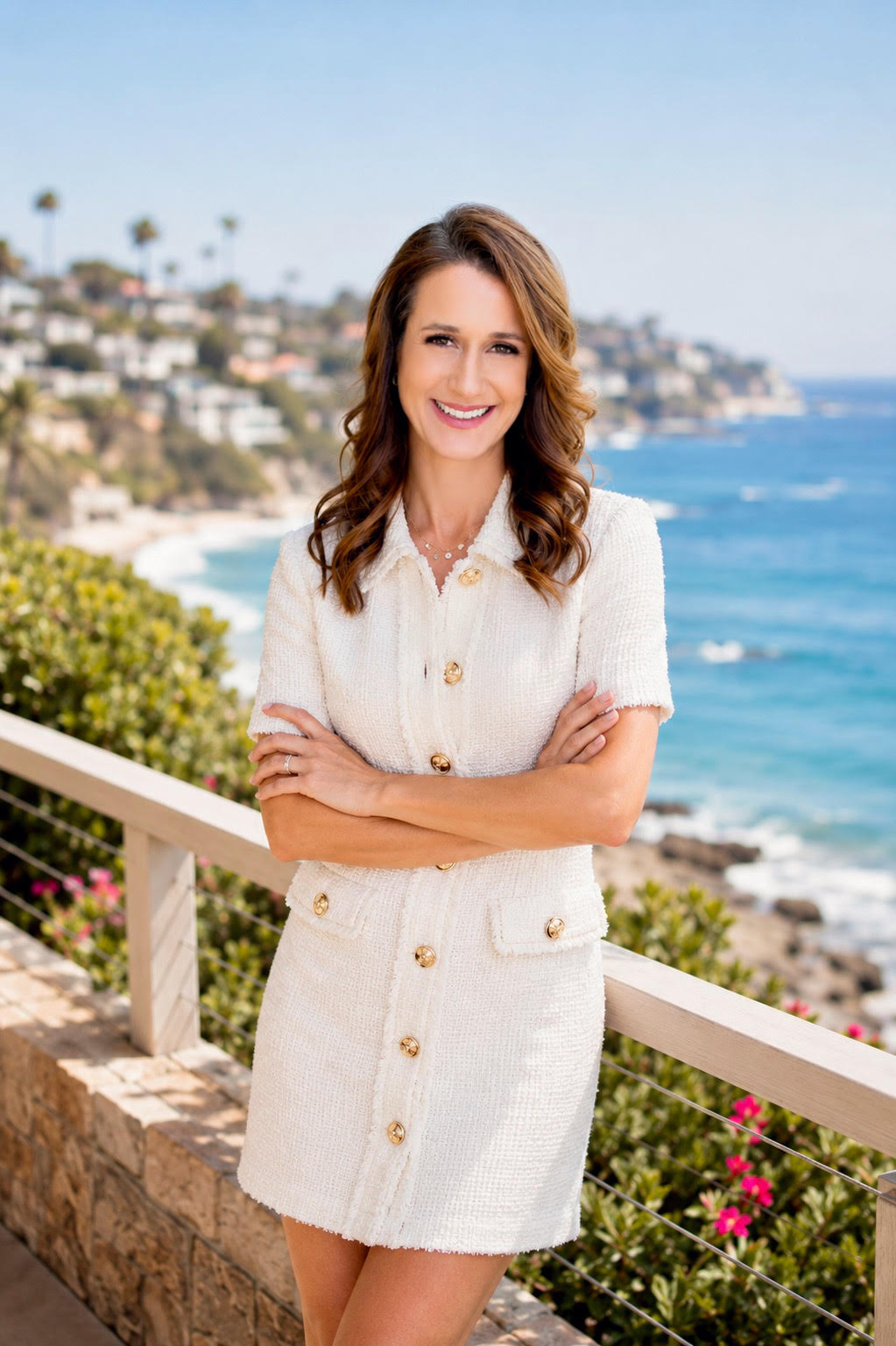
Janet Semenova is the Co-Founder of Boutique Travel Advisors, where she helps shape a more thoughtful and elevated approach to luxury travel. With a background in healthcare, entrepreneurship, and global travel, she brings uncommon depth, discernment, and…
60+
COUNTRIES EXPERIENCED
9+
YEARS DESIGNING TRAVEL
6
CONTINENTS EXPLORED
500+
CUSTOMIZED TRIPS PLANNED